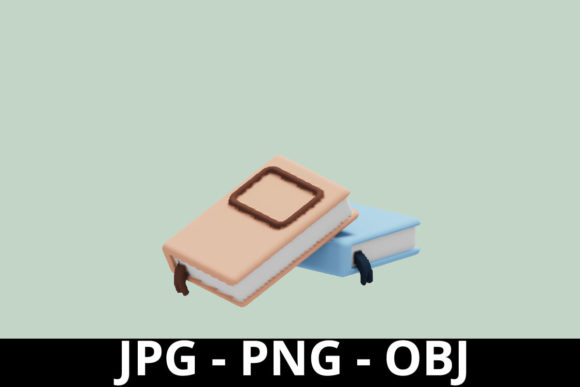
3d Rendering Stack of Books: Elevating Visual Storytelling in Education and Design
In the digital age, the visual representation of knowledge has evolved far beyond simple stock photography. A 3d Rendering Stack of Books offers a versatile, high-quality alternative that bridges the gap between academic tradition and modern design aesthetics. Whether you are an educator preparing lecture slides, a designer crafting a book cover, or a marketer promoting an online course, this type of asset provides a level of control and clarity that traditional photography often lacks. The ability to isolate objects, manipulate lighting, and ensure perfect composition makes these renders indispensable for professional presentations.
Unlike physical photos, which can suffer from inconsistent lighting, dust, or unwanted reflections, a 3d illustration is pristine. It captures the essence of literature, science, and academic rigor without the visual noise. This article explores how integrating a stack of books into your workflow can enhance communication, improve branding, and save time across various industries.
Transforming Educational Materials and E-Learning
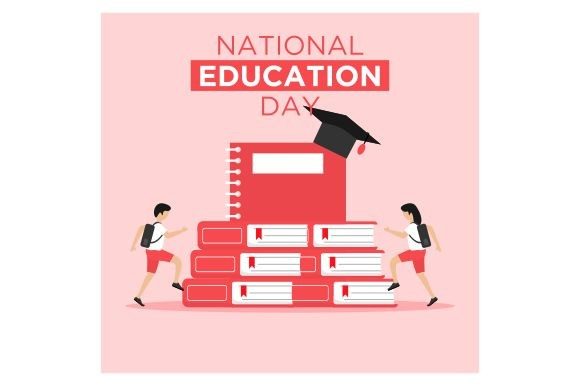
For teachers, professors, and instructional designers, visual aids are crucial for maintaining student engagement. A 3d rendering stack of books serves as an immediate visual cue for topics related to study, research, and academia. When used in online courses or university lecture decks, these images convey a sense of authority and structured learning.
- Course Thumbnails: Use a clean, isolated stack of textbooks to create recognizable icons for different modules within a learning management system.
- Presentation Backgrounds: A subtle, blue-toned render can serve as a non-distracting background for slide decks, ensuring text remains readable while reinforcing the educational theme.
- Certificate Design: Add a touch of prestige to completion certificates by incorporating high-resolution PNG illustrations of stacked hardcovers.
The flexibility of having files in formats like JPG, PNG, and OBJ means educators can adapt the image to any platform. For instance, a transparent PNG allows seamless integration into video lectures, while the OBJ file enables interactive 3D experiences for advanced digital classrooms.
Marketing and Branding for Publishers and Authors
In the competitive world of publishing, first impressions matter. Authors and marketing teams often struggle to find stock images that perfectly match their book’s theme without looking generic. A customizable 3d render solves this problem by offering a blank canvas that can be tailored to specific genres.
Consider a mystery novel launch. Instead of using a cluttered photo of a library, a designer can use a closeup 3d illustration of a dark, moody stack of books with dramatic lighting. For a self-help guide, a bright, clean stack with a single prominent textbook suggests clarity and organization. The "blank" nature of many 3d book covers allows marketers to overlay their own titles, creating a cohesive brand identity across social media posts, email newsletters, and website banners.
Moreover, the consistency of 3d assets ensures that all marketing materials look uniform. Whether it is an Instagram post or a large-format billboard, the resolution and quality remain sharp, avoiding the pixelation issues common with low-res photographs.
Enhancing Corporate and Office Aesthetics
Beyond education and publishing, the imagery of stacked books resonates with corporate environments that value knowledge, strategy, and intelligence. Law firms, consulting agencies, and tech companies often use these visuals to communicate expertise and depth of information.
A 3d rendering stack of books can be used in annual reports to symbolize accumulated data and insights. In office interior design mockups, these renders help visualize how bookshelves or reading nooks will look without the need for physical staging. The ability to choose specific colors, such as a professional blue or neutral tones, allows businesses to align the imagery with their corporate color palette.
For remote work setups and virtual backgrounds, a well-composed stack of books adds a layer of professionalism to video calls. It suggests a studious, organized environment, which can positively influence client perceptions during virtual meetings.
Technical Advantages of Using 3D Assets
One of the most significant benefits of using a ZIP folder containing JPG, PNG, and OBJ files is the versatility it offers to designers and developers. Each format serves a distinct purpose in the creative workflow.
- JPG for Web Use: Ideal for blog posts, articles, and quick previews where file size matters. The compression is efficient, and the quality is sufficient for most screen-based applications.
- PNG for Transparency: Essential for graphic design projects where the background needs to be removed. This allows the stack of books to be placed over any color or texture without awkward white boxes around the edges.
- OBJ for 3D Integration: For those working in game development, virtual reality, or advanced architectural visualization, the OBJ file provides the actual 3D model. This allows users to rotate, scale, and light the object dynamically within their own software environments.
This multi-format approach ensures that whether you are a novice user needing a quick image or a professional 3D artist looking for a base model, the asset is useful. It eliminates the need to hire a photographer or spend hours modeling books from scratch, significantly reducing production time and costs.
Considerations for Choosing the Right Render
While 3d renders offer numerous advantages, selecting the right one requires attention to detail. Not all stacks are created equal. Some may appear too sterile or artificial if the textures lack realism. Look for renders that include subtle imperfections, such as slight wear on the corners or varied spine heights, to add authenticity.
Lighting is another critical factor. A flatly lit image may look clean but can fail to evoke emotion. Conversely, overly dramatic lighting might distract from the main content. Consider the context in which the image will be used. For a scientific or academic presentation, neutral, even lighting is often preferred. For a literary blog or creative portfolio, warmer, softer lighting may create a more inviting atmosphere.
Additionally, check the resolution. High-quality prints require at least 300 DPI, while web graphics can suffice with 72 DPI. Ensure the ZIP folder includes versions suitable for your intended medium to avoid upscaling issues later.
Practical Applications in Content Creation
Content creators, including bloggers and YouTubers, can leverage these assets to break up text-heavy articles or create engaging thumbnails. A closeup of a book stack can serve as a featured image for articles about reading lists, study tips, or literary reviews. The visual appeal draws readers in, while the relevance of the image supports the topic.
For podcasters discussing literature or education, these renders can be used in episode artwork. The clean lines and professional look help establish credibility and attract listeners who value high-quality production. Furthermore, using consistent visual elements across episodes helps build brand recognition.
In summary, a 3d Rendering Stack of Books is more than just a decorative element. It is a functional tool that enhances communication, supports branding, and streamlines design processes. By understanding its diverse applications and technical benefits, professionals across various fields can effectively utilize this resource to convey knowledge, creativity, and professionalism.