Sea Green a Letter: Mastering Machine Embroidery with Precision and Style
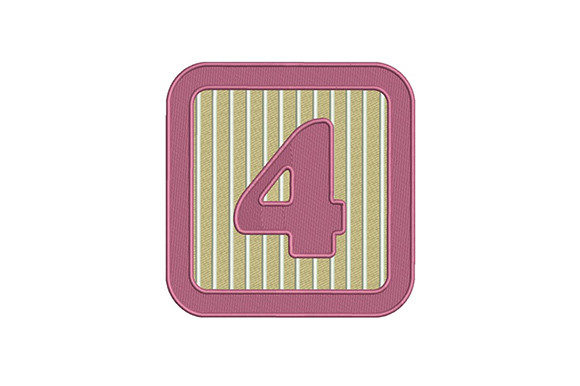
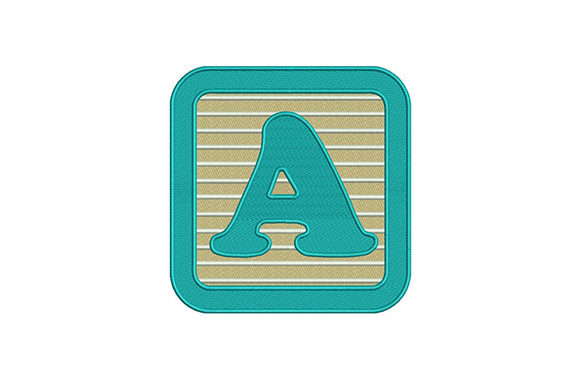
Embroidery is an art form that bridges the gap between digital precision and tactile beauty. When you encounter a design like Sea Green a Letter, you are not just looking at a font; you are looking at a carefully constructed map of stitches designed to bring text to life on fabric. This specific design type appeals to creators who want to add a personalized, elegant touch to their projects without sacrificing structural integrity. However, the journey from downloading a file to seeing the final stitch-out is fraught with potential pitfalls. Many enthusiasts rush into the process, assuming that any embroidery file will work seamlessly on any machine, only to be met with tangled threads, puckered fabric, and wasted time.
Understanding the nuances of this design requires more than just clicking "download." It demands a respect for the technical specifications that govern machine embroidery. The Sea Green a Letter design is characterized by its clean lines and moderate density, making it versatile for various applications. Yet, its success hinges entirely on how well you prepare your workspace, select your materials, and manage the digital files. Let’s explore the common missteps that can derail your project and how to navigate them with confidence.
The Trap of Ignoring File Format Compatibility
One of the most frequent errors beginners make is overlooking the specific file formats required by their embroidery machine. The Sea Green a Letter design is available in a comprehensive suite of formats, including DST, PES, JEF, EXP, HUS, VIP, VP3, XXX, ART, CND, DSB, DSZ, PEC, SEW, TAP, and VP4. While this variety ensures broad compatibility, it also creates confusion. A common mistake is attempting to convert a file using unreliable online tools rather than selecting the native format for your specific machine brand.
For instance, if you own a Brother machine, you should prioritize the PES or PEC formats. If you are using a Janome, JEF is your best bet. Using a converted file can lead to lost color information, incorrect stitch counts, or even damaged needle plates if the code is misinterpreted. Always check your machine’s manual to confirm which formats it reads natively. If your preferred format is listed, use it. Do not settle for a generic conversion unless absolutely necessary, as this preserves the original designer’s intent and ensures the stitch path remains optimized.
Misjudging Color Changes and Thread Selection
The Sea Green a Letter design specifies 3 colors used and 2 color changes. This seems simple enough, but many users underestimate the impact of thread choice on the final aesthetic. A frequent oversight is selecting threads that are too similar in shade, causing the design to look flat and undefined from a distance. Conversely, choosing high-contrast colors without considering the background fabric can result in a chaotic visual experience.
To avoid this, lay out your thread spools against the fabric before you begin stitching. Consider the lighting conditions where the finished item will be displayed. Since this design uses three distinct colors, ensure that each hue complements the others while maintaining enough contrast to define the letter shapes clearly. Additionally, remember that each color change requires you to stop the machine, trim the threads, and restart. Failing to secure your threads properly during these changes can lead to unraveling later. Take the extra minute to tie off or use a locking stitch function if your machine supports it. This small step significantly enhances the durability and professional appearance of your work.
Overlooking Stabilizer Requirements
Perhaps the most critical yet ignored aspect of machine embroidery is stabilization. The Sea Green a Letter design, like all lettering, relies on a stable foundation to prevent distortion. Beginners often use lightweight tear-away stabilizers for all projects, assuming they are sufficient. However, for dense lettering or stretchy fabrics like knits, this approach leads to puckering and misaligned stitches.
If you are embroidering on a t-shirt or jersey, a cut-away stabilizer is non-negotiable. It provides permanent support that moves with the fabric, preventing the letters from warping after washing. For woven fabrics like cotton or linen, a medium-weight tear-away may suffice, but always test on a scrap piece first. Hooping technique also plays a vital role here. Ensure the fabric is drum-tight in the hoop, but not so tight that it stretches the material permanently. Proper hooping combined with the right stabilizer ensures that the letters remain crisp and legible.
Neglecting Size and Density Adjustments
Another common misconception is that embroidery designs can be resized arbitrarily without consequence. While modern software allows for scaling, increasing the size of the Sea Green a Letter design beyond its intended dimensions can cause spacing issues between stitches, leading to gaps or thread breaks. Similarly, shrinking it too much can cause the stitches to overlap excessively, creating a bulky, stiff patch that ruins the drape of the fabric.
Before committing to your final project, always stitch out a test sample on a similar fabric scrap. Check the density and clarity of the letters. If the design looks too sparse or too crowded, adjust your tension settings or consider using a different needle size. A size 75/11 needle is typically suitable for standard embroidery threads, but heavier threads may require a 90/14 needle. These small adjustments can make the difference between a amateurish outcome and a polished, professional finish.
Final Checks Before You Stitch
Success in machine embroidery is largely about preparation. Before you press start on your machine for the Sea Green a Letter design, take a moment to review your setup. Verify that the correct file format is loaded. Confirm that your bobbin is wound evenly and inserted correctly. Ensure your top thread is threaded through all guides and the tension discs. Double-check that your stabilizer is appropriate for the fabric type.
By addressing these details proactively, you avoid the frustration of mid-project failures. Embroidery is a rewarding craft that allows for immense creativity, but it rewards patience and attention to detail. Whether you are a small business owner creating custom apparel or a hobbyist making gifts for friends, mastering these fundamentals will elevate your work. The Sea Green a Letter design is a beautiful tool in your arsenal, but it is your knowledge and care that truly bring it to life. Embrace the learning curve, learn from each stitch-out, and enjoy the process of creating something tangible and unique.