Empowering Voices Through Visual Design: The Role of a Deaf Education Teacher in Modern Crafting
In the evolving landscape of special education, the role of a Deaf Education Teacher extends far beyond traditional classroom instruction. These educators are architects of accessibility, constantly seeking innovative ways to bridge communication gaps and foster inclusive environments. One unexpected yet powerful avenue for this advocacy is through visual design and digital crafting. By leveraging high-quality graphic assets, educators and advocates can create tangible tools that promote awareness, celebrate Deaf culture, and provide essential learning aids.
The intersection of education and creative technology has opened new doors. A well-designed graphic is not merely decorative; it is a functional component of a broader educational strategy. Whether used for classroom signage, sensory-friendly clothing, or community outreach materials, the versatility of digital files allows a Deaf Education Teacher to customize resources that resonate with students and families. This article explores how utilizing comprehensive digital design packages can enhance educational outcomes and support commercial ventures aimed at raising awareness.
The Versatility of Multi-Format Digital Assets
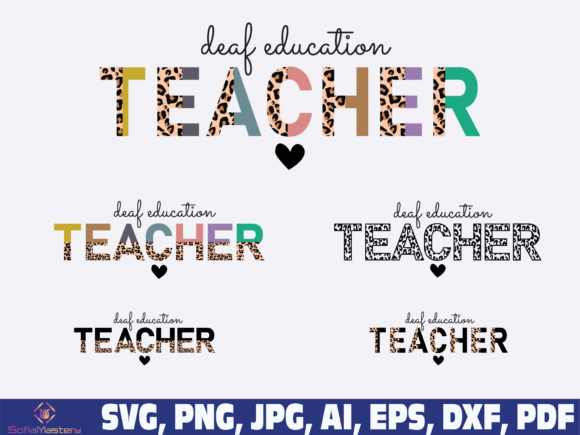
When selecting design resources for educational or commercial projects, file compatibility is paramount. A robust download package typically includes a zipped folder containing SVG, DXF, PNG, PDF, AI, JPG, and EPS formats. This diversity ensures that regardless of the hardware or software available, the user can proceed without technical hurdles. For a Deaf Education Teacher who may need to quickly produce visual aids for a lesson plan or create merchandise for a school fundraiser, having access to all these formats is invaluable.
The SVG (Scalable Vector Graphics) format stands out as the most versatile option for modern cutting machines. It maintains quality at any size, making it ideal for everything from small stickers to large banner prints. SVG files are compatible with leading software platforms such as Cricut Design Space, Silhouette Designer Edition, Make The Cut (MTC), Sure Cuts A Lot (SCAL), and Brother Scan and Cut “Canvas” software. This broad compatibility means that educators can use whatever equipment their school or home setup provides, ensuring that budget constraints do not limit creative output.
For those using specific entry-level or professional software, other formats play critical roles. The DXF format is specifically designed for use with Silhouette Basic Edition, allowing users without the upgraded designer software to still access high-quality cut files. Meanwhile, the EPS format serves professionals who prefer working in vector-based programs like CorelDraw, Inkscape, and Adobe Illustrator. These programs offer advanced manipulation capabilities, enabling a designer to tweak curves, adjust nodes, and integrate the graphic into complex layouts.
Practical Applications in Educational Settings
Visual learning is a cornerstone of Deaf education. Many students who are deaf or hard of hearing rely heavily on visual cues to process information. A Deaf Education Teacher can utilize PNG files, which feature transparent backgrounds, to overlay graphics onto presentations, worksheets, or interactive whiteboard activities without unsightly white boxes obstructing the view. This seamless integration helps maintain student focus and enhances the aesthetic appeal of learning materials.
Consider the creation of personalized learning tools. Using PDF files, which are universally accessible for printing, an educator can produce flashcards, posters, and handouts that incorporate sign language illustrations or cultural symbols. These printed materials can be laminated for durability, ensuring they withstand daily use in busy classrooms. The ability to print these resources on demand allows for rapid iteration based on student feedback and learning progress.
Beyond static print materials, wearable items serve as powerful conversation starters and identity markers. T-shirts, caps, and baby infant clothing adorned with meaningful designs can help students feel a sense of belonging and pride. When a Deaf Education Teacher wears apparel featuring positive messaging or cultural icons, it normalizes Deaf identity and invites curiosity from peers. This subtle form of advocacy can break down barriers and foster a more inclusive school culture.
Commercial Use and Community Outreach
The potential of these digital assets extends beyond the classroom walls. Many educators and advocates engage in commercial ventures to fund their projects or spread awareness on a larger scale. The license accompanying these files typically permits commercial use, allowing creators to sell physical products such as stickers, shirts, and accessories. This opportunity enables a Deaf Education Teacher to transform their expertise and creativity into a sustainable side business or a nonprofit funding stream.
Stickers, in particular, have become a popular medium for expression. They are affordable to produce and easy to distribute. Students can use them to decorate laptops, water bottles, and notebooks, turning everyday items into statements of identity. For a teacher, creating custom sticker packs featuring signs for common classroom phrases or encouraging messages can be both a fun activity and a practical tool for reinforcing language skills.
When producing items for sale, quality consistency is key. The inclusion of AI and JPG formats in the download package supports high-resolution printing for professional-grade merchandise. JPGs are ideal for photo-based prints where transparency is not required, while AI files allow for precise editing in Adobe Illustrator before sending designs to professional print shops. This level of control ensures that the final product reflects the high standards expected by educators and consumers alike.
Navigating Software Choices for Optimal Results
Choosing the right software depends largely on the intended output and the user’s technical comfort level. For beginners, Cricut Design Space offers a user-friendly interface that simplifies the process of uploading and preparing SVG files for cutting. It is an excellent starting point for a Deaf Education Teacher who wants to involve students in the creation process, as the learning curve is gentle and the results are immediate.
More advanced users might prefer Silhouette Designer Edition or Sure Cuts A Lot for their extensive feature sets. These programs allow for deeper customization, such as welding shapes, offsetting lines for sticker borders, and managing complex layers. For those working in a professional design environment, CorelDraw and Adobe Illustrator provide unparalleled precision. The EPS files included in the package ensure that vectors remain crisp and editable, which is crucial for maintaining brand consistency across various marketing materials.
It is also important to consider the workflow efficiency. Having all formats in a single zipped folder saves time otherwise spent searching for compatible files. This organization allows educators to focus on pedagogy and creativity rather than troubleshooting file conversions. Whether preparing for a last-minute assembly presentation or planning a semester-long project, ready-to-use assets streamline the production process.
Fostering Inclusivity Through Creative Expression
Ultimately, the goal of integrating these design tools into Deaf education is to foster inclusivity and empowerment. When students see their culture represented in high-quality, professional designs, it validates their experiences and strengthens their self-esteem. A Deaf Education Teacher acts as a facilitator, guiding students to express themselves through art and design. This creative outlet can be particularly therapeutic and empowering for children who may struggle with traditional verbal communication methods.
Moreover, these projects encourage collaboration. Students can work together to design t-shirts for a school event or create stickers for a community awareness campaign. These collaborative efforts build social skills, teamwork, and a sense of community. The tangible nature of the final products provides a sense of accomplishment that digital-only tasks often lack.
In conclusion, the availability of multi-format digital design files represents a significant resource for educators and advocates. By understanding the specific uses of SVG, DXF, PNG, PDF, AI, JPG, and EPS formats, a Deaf Education Teacher can maximize their impact. From enhancing classroom materials to launching commercial initiatives that promote Deaf culture, these tools offer endless possibilities. Embracing this blend of technology and creativity not only enriches the educational experience but also contributes to a more visible and vibrant Deaf community.