Enhancing Digital Classrooms with High-Quality Teacher Online Education Vector Graphics
The shift toward remote and hybrid learning models has fundamentally changed how educators present information. In a physical classroom, a teacher can rely on body language, physical props, and the immediate energy of the room to engage students. In the digital realm, however, visual clarity becomes paramount. This is where specialized design assets, such as a Teacher Online Education Vector, become indispensable tools for modern instructors and content creators. These graphics are not merely decorative; they serve as functional elements that bridge the gap between complex educational concepts and student comprehension.
When you invest in a comprehensive digital package, you are acquiring more than just an image. You are securing a versatile asset designed to integrate seamlessly into various digital workflows. A typical high-quality bundle includes six distinct file formats, ensuring compatibility with almost any software ecosystem. From professional design suites to simple word processors, having access to AI, EPS, SVG, DXF, JPG, and PNG files means you are prepared for any creative challenge. The standard canvas size of 1920px by 1280px offers a high-resolution foundation that looks crisp on large monitors while remaining lightweight enough for quick loading on learning management systems.
The Technical Advantage of Vector Formats in Educational Design
Understanding the difference between raster and vector graphics is crucial for anyone creating online educational materials. Raster images, such as standard photographs, are made of pixels. When you enlarge them, they become blurry or pixelated. Vector graphics, on the other hand, are based on mathematical equations. This means a Teacher Online Education Vector can be scaled up to the size of a billboard or down to the size of a favicon without losing any quality. This scalability is vital for educators who may need to use the same graphic in a PowerPoint slide, a printed worksheet, and a social media post.
The inclusion of AI (Adobe Illustrator) and EPS (Encapsulated PostScript) files in your download package provides the highest level of editability. These formats are industry standards for professional graphic design. If you have access to Adobe Illustrator or similar vector-based software, you can open these files to modify every anchor point, color, and line thickness. Perhaps your school branding requires a specific shade of blue, or you want to adjust the expression on a character’s face to better suit the lesson tone. With AI and EPS files, these changes are straightforward and non-destructive.
For those who do not use professional design software, the SVG (Scalable Vector Graphics) format is a game-changer. SVGs are web-friendly and can be edited using free tools or even code. They are particularly useful for web developers building custom educational platforms or teachers using advanced presentation tools that support web standards. The DXF (Drawing Exchange Format) file extends the utility of the pack further, allowing compatibility with CAD software. While this might seem unrelated to teaching, it opens doors for vocational educators, engineering instructors, or those creating laser-cut materials for hands-on learning kits.
Raster Options for Immediate Usability
While vector files offer flexibility, there are times when simplicity and speed are more important than editability. This is why the JPG and PNG files included in the package are equally valuable. The JPG format is universally compatible and ideal for situations where file size needs to be kept small, such as embedding images in email newsletters or uploading to platforms with strict storage limits. It is a "plug-and-play" solution that requires no technical knowledge to use.
The PNG file, however, offers a distinct advantage: transparency. Unlike JPGs, which always have a solid background, PNGs can have transparent backgrounds. This allows you to place the Teacher Online Education Vector over any colored background, pattern, or photograph without unsightly white boxes surrounding the image. This feature is essential for creating polished-looking video thumbnails, layered presentation slides, or branded certificates. Having both raster options ensures that whether you are a tech-savvy designer or a busy teacher looking for a quick solution, you have the right tool for the job.
Integrating Visual Assets into Modern Teaching Workflows
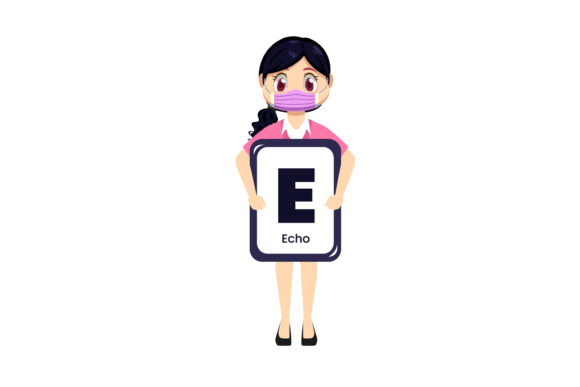
The practical application of these digital files extends far beyond simple decoration. In online education, cognitive load theory suggests that students learn better when information is presented in both verbal and visual forms. A well-placed vector graphic can illustrate a concept faster than a paragraph of text. For instance, a vector depicting a teacher at a computer can instantly signal a module about digital literacy or online etiquette. This immediate visual cue helps students orient themselves within the course structure.
Consider the workflow of creating a weekly newsletter for parents and students. Using the editable AI or EPS files, you can customize the colors to match the season or a specific holiday theme. You might change the books in the vector to reflect the current reading list. This level of personalization creates a cohesive brand identity for your classroom, making your communications instantly recognizable. Consistency in visual branding helps build trust and professionalism, which is often harder to establish in a virtual environment than in a physical one.
Furthermore, these assets are invaluable for creating engaging social media content. Many educators now use platforms like Instagram, Pinterest, and LinkedIn to share resources, connect with peers, and promote their classes. The 1920px x 1280px canvas size is perfectly suited for high-resolution displays on these platforms. By using the PNG file with a transparent background, you can overlay the vector onto dynamic backgrounds, add bold typography, and create eye-catching posts that stand out in crowded feeds. This not only promotes your educational services but also contributes to the broader community of online educators.
Customization and Creative Freedom
One of the most significant benefits of purchasing a multi-format vector pack is the freedom it affords. You are not locked into a single look. If you are teaching a science class, you might tweak the vector to include scientific instruments. If you are teaching literature, you might emphasize the books and reading aspects. The ease of editing means that the graphic evolves with your curriculum. This adaptability ensures that your visual materials remain fresh and relevant throughout the academic year.
Moreover, these files can be used across multiple projects without additional licensing fees, depending on the specific terms of the product. This cost-effectiveness is crucial for independent tutors and small educational startups operating on tight budgets. Instead of hiring a graphic designer for every new course module, you can leverage these pre-made, high-quality assets to maintain a professional aesthetic. The time saved in design can be redirected toward lesson planning and student interaction, which are the core components of effective teaching.
Choosing the Right Format for Your Project
With six different file types available, selecting the right one can sometimes feel overwhelming. Here is a practical guide to help you decide. If you are creating a printed flyer or a high-quality PDF handbook, use the EPS or AI file to ensure the sharpest possible print quality. If you are building a website or an interactive e-learning module, the SVG format is your best bet for performance and scalability. For quick social media posts or email headers, the PNG file offers the best balance of quality and transparency. For simple document insertion where editing is not required, the JPG is the most convenient option.
It is also worth noting that having the DXF file allows for physical creation. If you run a makerspace or a craft-based learning program, you can use this file to cut out shapes from wood, acrylic, or paper using a laser cutter or CNC machine. This bridges the digital and physical worlds, allowing students to interact with the concepts represented in the Teacher Online Education Vector in a tangible way. Such multisensory approaches can significantly enhance retention and engagement, particularly for younger learners or those with different learning styles.
In conclusion, investing in a comprehensive set of digital design files is a strategic move for any educator involved in online teaching. The versatility provided by having AI, EPS, SVG, DXF, JPG, and PNG formats ensures that you are prepared for any creative demand. Whether you are designing a full course curriculum, creating marketing materials, or developing interactive lessons, these assets provide the professional polish needed to succeed in the competitive landscape of digital education. By understanding the unique strengths of each file type, you can maximize their potential and create a more engaging, visually appealing, and effective learning environment for your students.