Teacher Class Education Brush Layout: A Practical Guide for Digital Designers
In the evolving landscape of digital education and creative design, visual assets play a pivotal role in communicating ideas effectively. Among the myriad of resources available to designers, educators, and content creators, the Teacher Class Education Brush Layout has emerged as a specialized toolset tailored for academic and instructional themes. This article explores what this specific layout entails, how it compares to generic design alternatives, and why it might be the right choice for your next project.
Understanding the Teacher Class Education Brush Layout
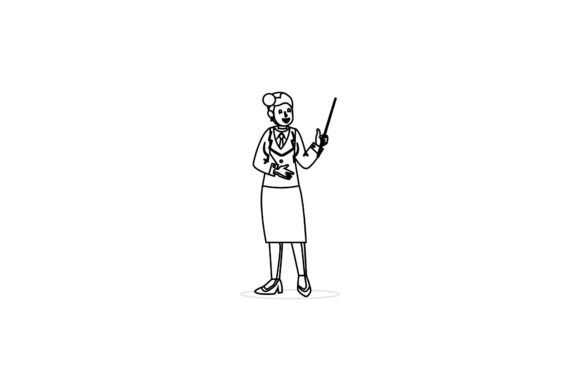
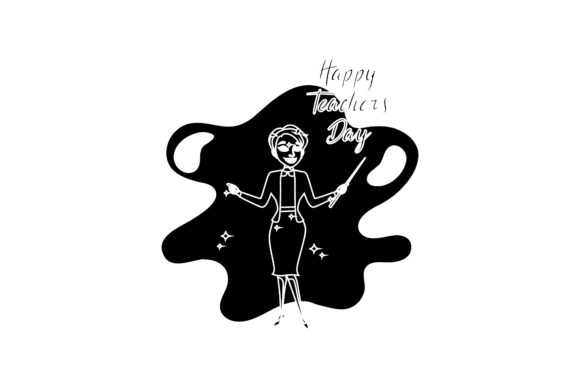
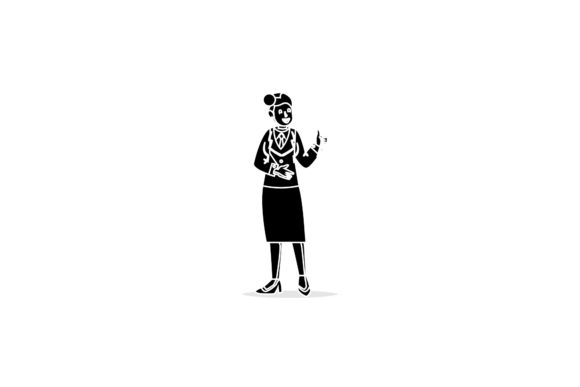
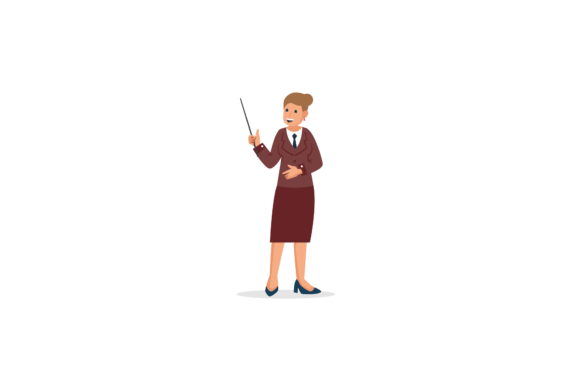
The Teacher Class Education Brush Layout is not merely a collection of clip art; it is a cohesive design system. It typically includes hand-drawn or vector-based elements that mimic classroom aesthetics—such as chalkboard textures, notebook lines, pencil strokes, and educational icons like apples, books, and globes. These elements are arranged in layouts that facilitate easy integration into lesson plans, presentations, certificates, and digital worksheets.
What distinguishes this layout from standard graphic packs is its intentional focus on usability within an educational context. The brushes and shapes are designed to be modular, allowing users to construct borders, frames, and backgrounds that feel organic rather than rigid. For professionals who need to produce high-quality educational materials quickly, understanding the structure of these files is crucial.
Technical Specifications and File Formats
When evaluating any digital design resource, the technical deliverables are just as important as the aesthetic appeal. A robust Teacher Class Education Brush Layout package should offer versatility in file formats to ensure compatibility across various software ecosystems. Typically, a comprehensive pack includes:
- AI (Adobe Illustrator) File: Ideal for professional designers who need full editability of vector paths.
- EPS (Encapsulated PostScript): A universal vector format compatible with most design software, ensuring scalability without loss of quality.
- SVG (Scalable Vector Graphics): Perfect for web-based projects and modern cutting machines, offering lightweight and responsive design capabilities.
- JPG (Joint Photographic Experts Group): Suitable for quick previews or simple insertions where transparency is not required.
- PNG (Portable Network Graphics): Essential for designs requiring transparent backgrounds, allowing seamless layering over other images or colors.
For instance, receiving a design in a canvas size of 1920px x 1280px provides a high-resolution base that is suitable for both digital displays and print materials. This resolution ensures that details remain crisp, whether viewed on a large monitor or printed on standard letter-sized paper.
Comparing Specialized Layouts with Generic Alternatives
Many creators face the decision between using a specialized Teacher Class Education Brush Layout and relying on generic stock elements or building designs from scratch. Each approach has distinct tradeoffs regarding time, cost, and customization.
Time Efficiency vs. Customization
Building educational graphics from scratch offers ultimate creative freedom but demands significant time and technical skill. In contrast, pre-made brush layouts provide a head start. The primary advantage of a specialized layout is that the thematic consistency is already established. You do not need to spend hours matching font styles with border textures or ensuring that icon sets share the same line weight.
However, generic stock libraries may offer a wider variety of unrelated elements. If your project requires a mix of corporate and educational themes, a specialized teacher-focused layout might feel too narrow. In such cases, a broader graphic bundle might be more appropriate, though it may require more effort to unify the visual style.
Quality and Scalability
One critical factor often overlooked is scalability. Raster images (like JPGs) can pixelate when enlarged, whereas vector formats (AI, EPS, SVG) maintain clarity at any size. A high-quality Teacher Class Education Brush Layout prioritizes vector delivery. This is particularly important for educators who may need to print large posters or small handouts from the same source file. Generic freebies found online often lack proper vector files, limiting their professional utility.
Best-Fit Situations for This Design Approach
Identifying when to use this specific layout can save resources and enhance the final output. Here are scenarios where the Teacher Class Education Brush Layout excels:
- Digital Lesson Plans and Worksheets: The clean, organized nature of these layouts helps structure information clearly, making complex topics more accessible to students.
- Online Course Materials: For e-learning platforms, consistent visual branding improves learner engagement. The brush elements add a human touch to otherwise sterile digital interfaces.
- Teacher Appreciation Gifts and Certificates: The warm, inviting aesthetic of classroom-themed brushes is perfect for creating personalized recognition items.
- Educational Blogging and Social Media: Content creators in the education niche can use these assets to create eye-catching headers and social media posts that resonate with their audience.
Limitations and Considerations
While versatile, this layout is not a one-size-fits-all solution. Users should be aware of certain limitations. First, the thematic specificity means it may not suit higher education or corporate training environments that require a more formal, minimalist aesthetic. Second, while the files are easy to edit, users still need basic familiarity with design software to manipulate vectors effectively.
Additionally, the 1920px x 1280px canvas size, while generous, may need adjustment for specific print dimensions. Users must ensure they understand how to scale vector elements properly within their chosen software to avoid distortion.
Making an Informed Decision
Choosing the right design resource involves balancing aesthetic preferences with practical needs. When evaluating a Teacher Class Education Brush Layout, consider the following decision factors:
- Software Compatibility: Do you have access to Adobe Illustrator or similar vector editing tools? If not, ensure the PNG and JPG files meet your resolution needs.
- Project Scope: Is this for a single project or ongoing use? A comprehensive pack with multiple formats offers better long-term value.
- Editing Comfort Level: If you prefer drag-and-drop simplicity, prioritize packages with well-organized layers and clear documentation.
It is also wise to compare the included elements against your specific requirements. Does the pack include enough variety in borders and icons? Are the colors easily customizable? A well-structured package will allow you to change color palettes to match school branding or personal preferences effortlessly.
Final Thoughts on Resource Selection
The Teacher Class Education Brush Layout represents a valuable asset for those committed to creating engaging, professional-looking educational materials. By offering a blend of artistic charm and technical flexibility, it bridges the gap between amateur design and professional production. Whether you are a teacher looking to enhance your classroom resources or a designer specializing in educational products, understanding the nuances of these tools empowers you to make better creative decisions.
Remember, the goal is not just to acquire files but to integrate them into a workflow that saves time and elevates quality. By carefully assessing your needs against the features provided—such as the inclusion of AI, EPS, SVG, JPG, and PNG formats—you can ensure that your investment yields tangible benefits in your design projects. Thank you for considering how these tools can support your creative and educational endeavors.