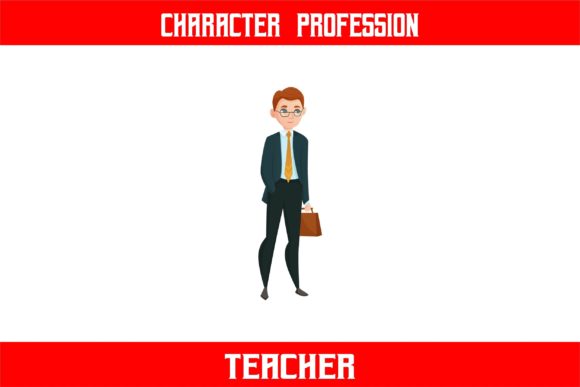
Understanding the Value of Education Teacher-Professions Character Assets for Modern Design
In the rapidly evolving landscape of educational content creation, visual consistency and professional quality are paramount. Whether you are an instructional designer, a curriculum developer, or a freelance graphic artist, the assets you choose can significantly impact the final output. This is where specialized resources like Education Teacher-Professions Character files become essential tools in your creative arsenal. These assets are not merely static images; they are versatile, high-quality vector graphics designed to meet the rigorous demands of modern publishing and digital media.
The core appeal of these character files lies in their technical flexibility. Unlike standard raster images that pixelate when enlarged, vector-based graphics maintain crisp edges and clarity at any scale. This distinction is crucial for professionals who need to adapt a single asset across various mediums, from small mobile app icons to large-format classroom posters. By understanding the specific advantages of these files, creators can make more informed decisions about their design workflows and resource allocation.
The Technical Advantage of Vector-Based Formats
When evaluating design resources, the file format is often the most critical factor determining long-term usability. The Education Teacher-Professions Character collection is provided in multiple formats, including AI 10, EPS 10, PNG, and JPEG. However, the true value resides in the vector files (AI and EPS). Vector graphics use mathematical equations to define shapes, lines, and colors, rather than a grid of pixels. This fundamental difference offers several practical benefits for educators and designers.
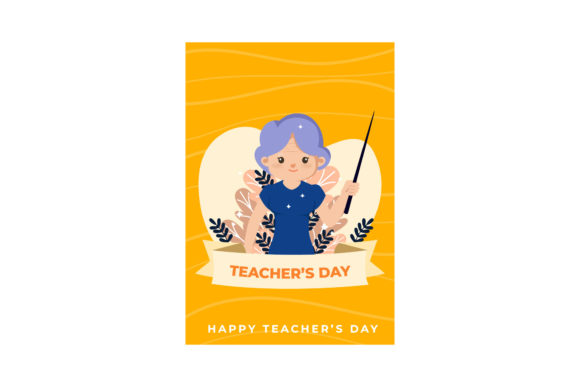
First, scalability is unlimited. You can resize a teacher character from the size of a postage stamp to the dimensions of a billboard without any loss in quality. This is particularly useful in educational settings where the same illustration might need to appear in a printed textbook, a projected slide deck, and a web-based learning module. Second, editability is superior. Using software such as Adobe Illustrator or Corel Draw, users can modify individual elements of the character. You might change the color of a teacher’s attire to match school branding, adjust facial expressions to convey different emotions, or isolate specific components for animation purposes.
In contrast, raster formats like JPEG and PNG are fixed. While the included PNG files offer transparency for easy layering, they cannot be resized upward without degradation. Therefore, having access to the source vector files ensures that your investment remains viable even as design requirements change over time.
Comparing Vector Characters to Stock Photography and Generic Clip Art
To determine if Education Teacher-Professions Character assets are the right choice for your project, it is helpful to compare them with common alternatives. Many creators initially turn to stock photography or free clip art libraries. Each option has distinct tradeoffs regarding cost, customization, and aesthetic consistency.
Stock photography offers realism but often lacks diversity in specific professional scenarios. Finding high-quality images of teachers engaging in specific activities—such as using particular educational tools or demonstrating specific pedagogical techniques—can be challenging and expensive. Furthermore, stock photos are difficult to integrate seamlessly into illustrated layouts. On the other hand, generic clip art is often outdated, inconsistent in style, and limited in resolution. These assets rarely offer the professional polish required for commercial educational products.
The Education Teacher-Professions Character files bridge this gap. They provide the stylized, approachable aesthetic of illustration with the professional quality of premium stock. Because the characters are designed specifically for educational contexts, they resonate more effectively with students and parents. Additionally, the ability to customize colors and poses allows for a level of personalization that neither stock photos nor generic clip art can match. For instance, if you are creating materials for a specific district with unique uniform requirements, vector files allow you to adjust the clothing accordingly, ensuring brand alignment.
Practical Use Cases and Best-Fit Scenarios
Understanding when to utilize these character files can streamline your production process. These assets are particularly well-suited for projects that require a friendly, approachable tone. Here are several scenarios where Education Teacher-Professions Character graphics excel:
- E-Learning Modules: Consistent characters help guide learners through complex topics. Using the same teacher avatar across multiple lessons creates a sense of continuity and familiarity.
- Printed Textbooks and Workbooks: Vector files ensure that illustrations remain sharp in print, regardless of the page size or printing resolution.
- Presentation Decks: Educators can use these characters to break up text-heavy slides, making information more digestible and visually engaging.
- Marketing Materials: Schools and tutoring centers can use these customizable characters in brochures and websites to represent their staff in a warm, inviting manner without needing professional photo shoots.
However, there are situations where these assets may not be the ideal solution. If your project requires photorealistic representation or specific demographic accuracy that cannot be achieved through stylized illustration, stock photography might be a better fit. Similarly, if you lack access to vector-editing software like Adobe Illustrator or Corel Draw, you may find the AI and EPS files difficult to utilize fully. In such cases, relying on the included PNG and JPEG files is a viable alternative, though it limits your ability to customize the artwork.
Evaluating Compatibility and Workflow Integration
Before purchasing any digital asset, it is essential to consider your existing workflow. The Education Teacher-Professions Character package includes AI 10 and EPS 10 files, which are industry standards for vector graphics. AI files are native to Adobe Illustrator, while EPS files are widely compatible with other vector programs, including Corel Draw, Inkscape, and Affinity Designer. This broad compatibility ensures that most professional designers can work with these files without significant hurdles.
For those who prefer simpler tools, the included PNG files with transparent backgrounds offer a plug-and-play solution. These can be dragged and dropped into presentation software, word processors, or basic image editors. While this approach sacrifices editability, it provides immediate usability for non-designers. It is important to assess your team’s technical skills and software availability to determine which format will provide the most value.
Making an Informed Decision
Choosing the right visual resources involves balancing quality, flexibility, and ease of use. The Education Teacher-Professions Character files offer a robust solution for creators who prioritize versatility and professional quality. The inclusion of both vector and raster formats ensures that the assets can serve a wide range of needs, from high-end custom design to quick-and-dirty presentations.
When evaluating this resource against others, consider the long-term value. While initial costs may vary, the ability to reuse and modify vector assets across multiple projects often results in greater cost efficiency over time. Additionally, the cohesive style of professionally designed character sets helps maintain brand integrity, which is crucial for educational institutions and publishers.
Ultimately, the decision depends on your specific project requirements. If you need scalable, editable, and professionally styled illustrations that can adapt to various educational contexts, these vector character files are a strong candidate. They provide the technical foundation for high-quality design while offering the creative freedom to tailor visuals to your unique audience. By understanding the strengths and limitations of vector versus raster formats, and by comparing these assets to alternative visual resources, you can select the tools that best support your educational goals.
Thank you for visiting our shop and buying. We hope these resources enhance your creative projects and help you deliver impactful educational content.