Mastering Digital Presentation: A Guide to the Teacher Student Coffee Glass Cup Mockup
In the rapidly evolving landscape of digital design and online education, the visual presentation of your work is just as critical as the content itself. Whether you are a graphic designer creating custom merchandise for educators, a teacher looking to brand your classroom resources, or an entrepreneur launching an education-themed product line, the way you showcase your designs can make or break your success. This is where the Teacher Student Coffee Glass Cup Mockup becomes an invaluable asset. It serves not merely as a background image, but as a strategic tool for communication, branding, and professional presentation.
Understanding the Power of Digital Mockups
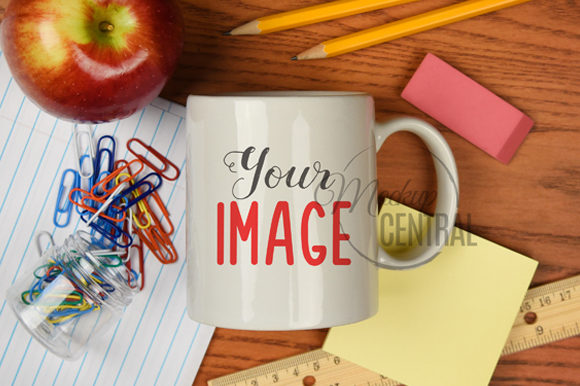
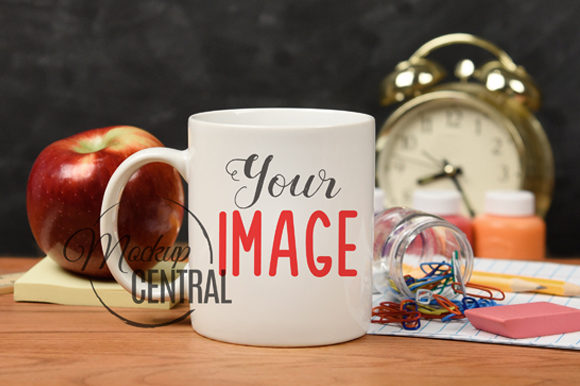
Before diving into the specifics of this particular asset, it is essential to understand what a digital mockup is and why it has become a staple in modern creative workflows. A mockup is a high-resolution digital image of a blank product—such as a t-shirt, a book cover, or in this case, a glass coffee cup—that allows designers to superimpose their own artwork onto the surface. The result is a photorealistic representation of what the final printed product would look like in real life.
The significance of this technology cannot be overstated. Traditionally, showcasing a design required physical prototypes. You would have to print the design, place it on the actual object, set up lighting, hire a photographer, and edit the photos. This process was not only expensive but also time-consuming. With digital mockups, you eliminate these barriers entirely. You save both time and money by bypassing the need for physical production during the marketing phase. This efficiency allows creators to test multiple design variations quickly, ensuring that the final choice resonates with their target audience before any manufacturing costs are incurred.
Why Choose a Glass Coffee Cup Theme?
The choice of a glass coffee cup as the canvas for your design is deliberate and highly effective for several reasons. First, coffee culture is deeply intertwined with the academic and professional worlds. Teachers, students, and administrators often rely on caffeine to fuel long days of learning and working. By placing your design on a coffee cup, you are tapping into a relatable, everyday ritual. It creates an emotional connection with the viewer, suggesting comfort, routine, and productivity.
Furthermore, the transparency and texture of glass offer unique aesthetic qualities. Unlike opaque ceramic mugs, a glass cup allows light to pass through, creating reflections and refractions that add depth and realism to your presentation. When you insert your image or design into this styled stock photography, the natural lighting and shadows of the original photo interact with your graphic, making it look integrated rather than pasted on. This level of realism is crucial for building trust with potential customers or clients who want to see exactly how your design will appear in a tangible form.
Practical Applications for Educators and Designers
The versatility of this specific mockup makes it suitable for a wide range of applications within the education sector and beyond. Here are some practical ways you can utilize this digital file:
- Teacher Appreciation Gifts: Create personalized designs for end-of-year gifts. A slogan like "Best Teacher Ever" or a subject-specific pun looks charming when visualized on a stylish glass cup.
- Classroom Branding: If you run a tutoring service or an online course, use the mockup to create cohesive social media graphics. Displaying your logo on a coffee cup adds a human touch to your digital presence.
- Print-on-Demand Products: For entrepreneurs selling on platforms like Etsy or Amazon, high-quality mockups are essential for product listings. This JPG file provides the professional polish needed to stand out in a crowded marketplace.
- Student Projects: Art and design students can use this resource to present their portfolio pieces professionally, demonstrating an understanding of real-world application.
By using this styled mockup, you are not just showing a design; you are telling a story. You are inviting the viewer to imagine themselves holding that cup, enjoying their morning coffee, and engaging with your message. This contextualization is far more powerful than displaying a flat, two-dimensional graphic on a white background.
Technical Specifications and Usage Guidelines
To get the most out of this resource, it is important to understand the technical details provided with the file. The product is a digital JPG file, zipped for easy download. It boasts a high resolution of 2400px x 3000px, which translates to an 8 x 10-inch print at 300 DPI (dots per inch). This high quality ensures that your final images will remain sharp and clear, even when viewed on high-definition screens or used in printed marketing materials.
However, there is a crucial distinction to make regarding the file format. This is a JPG photo, meaning there are NO layers included in the file itself. This is a common point of confusion for beginners. Unlike PSD (Photoshop) files that come with smart objects and editable layers, a JPG is a flat image. Therefore, to use this mockup effectively, you need to be somewhat familiar with image editing software that supports layers, such as Adobe Photoshop, GIMP, or Affinity Photo.
- Open the JPG mockup in your chosen software.
- Create a new layer above the background image.
- Import your design, logo, or text message onto this new layer.
- Resize and position your graphic to fit naturally on the cup's surface.
- Adjust the opacity or blending modes if necessary to mimic the transparency of the glass.
- Save your final composition as a new file.
This process requires a basic understanding of layer management. If you are new to digital design, taking the time to learn these fundamental skills will open up a world of creative possibilities. While technical support is not offered for this specific file, the workflow is standard across most professional design applications.
Clarifying Common Misunderstandings
It is vital to clarify what this product is not. This is a digital file only. No physical product will be mailed to you. You are purchasing the rights to use the image for your design purposes, not a tangible coffee cup. Additionally, because this is a static JPG and not a layered template, you must handle the integration of your design manually. This offers greater flexibility for those who know how to use layers, but it may present a learning curve for absolute beginners.
Another common assumption is that mockups are only for large corporations. In reality, they are democratizing tools that allow individual teachers, small business owners, and freelance artists to produce professional-grade marketing materials without a professional budget. By leveraging this resource, you elevate your perceived value and professionalism instantly.
Integrating Mockups into Your Creative Workflow
Incorporating tools like the Teacher Student Coffee Glass Cup Mockup into your routine can streamline your creative process. Instead of scrambling to set up a photoshoot every time you have a new idea, you have a reliable, consistent backdrop ready to go. This consistency helps in building a recognizable brand identity. When your audience sees your designs presented in a similar, high-quality style across different platforms, they begin to associate that aesthetic with your brand.
Moreover, this approach encourages experimentation. Since there is no cost associated with printing failed prototypes, you feel freer to try bold colors, intricate patterns, or humorous slogans. You can create a series of images featuring different quotes or artworks, all unified by the same elegant glass cup setting. This variety keeps your content fresh and engaging for your followers.
Ultimately, the goal is to communicate your message clearly and attractively. Whether it is a heartfelt thank-you note for a teacher, an inspiring quote for students, or a clever academic graphic, the medium matters. A well-executed mockup bridges the gap between digital creation and physical reality, allowing your audience to visualize and appreciate your work in its intended context.
By understanding the purpose, technical requirements, and strategic value of this digital asset, you can transform simple designs into compelling visual stories. Take advantage of this efficient, cost-effective solution to showcase your creativity and connect with your audience on a deeper, more personal level.